
Knowledge base
My Child Has ADHD, Will Self-Defense Help?
- Self Defense
- ADHD & Self-Defense
Quick Answer
Yes, self-defense training can be a helpful, complementary activity for a teen with ADHD. The structured drills, physical movement, and clear one-step-at-a-time instruction found in most self-defense classes often support better focus, self-control, and confidence. It is not a treatment or a cure, but many families find it a positive addition alongside whatever medical or behavioral support their teen already receives.

Written and reviewed by Moti Horenstein
Teaching Self Defense at Moti Horenstein Krav-Maga MMA since 2004, with experience across a wide range of students and skill levels.
Self-defense training can give teens with ADHD a structured way to practise focus, self-control, and confidence while staying physically engaged. Instructors with experience teaching different learning styles can adjust pacing, drills, and communication so each student has a better chance to succeed.
Why Structure and Repetition Can Help Teens with ADHD
Self-defense classes are built around clear routines: a warm-up, a skill breakdown, repeated practice, and a defined end point. For a teenager with ADHD, that predictability can make it easier to know what’s expected and to stay engaged from one drill to the next. Repeating a technique step by step also gives the brain a concrete, physical way to practice sustained attention, rather than asking a teen to sit still and focus on something abstract.
Physical Activity, Focus, and Energy Release
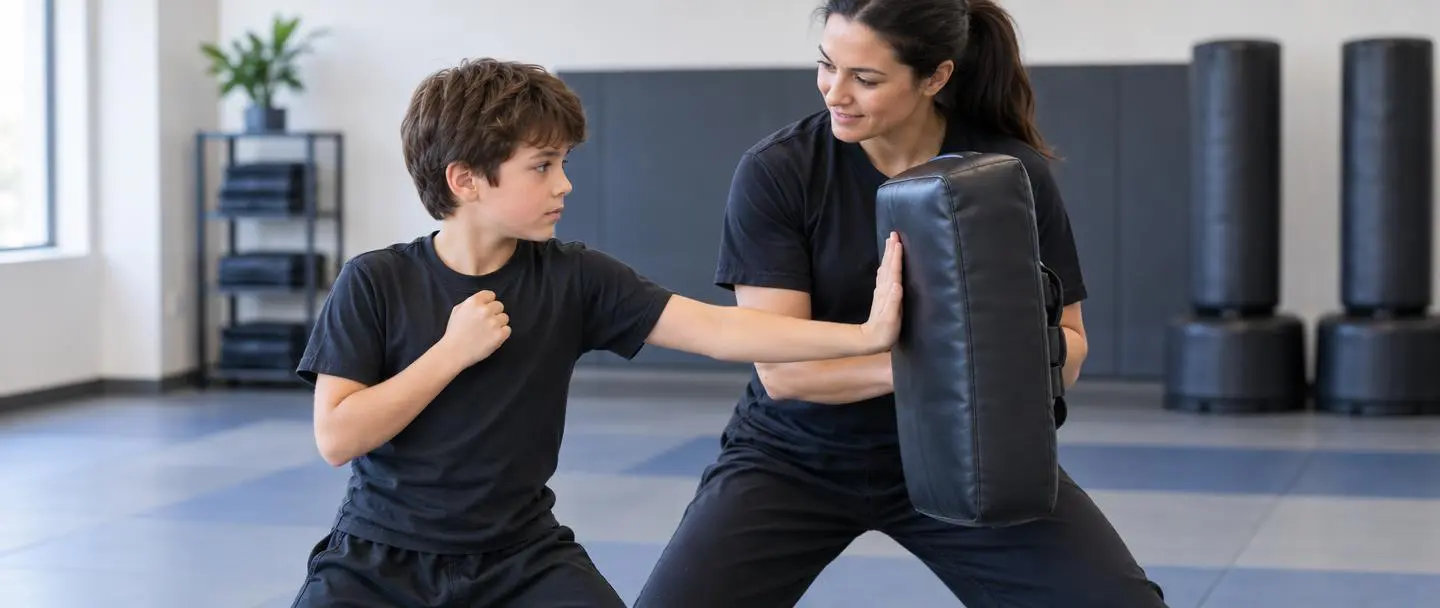
Regular physical activity is widely recognized as something that can support attention and mood in teens with ADHD, and self-defense training is inherently active. Striking pads, practicing footwork, and working through partner drills give a teen an outlet for excess energy in a controlled setting. For some teens, this release of physical energy makes it easier to settle down and concentrate afterward, whether that’s in class, at home, or at school.
Building Confidence Through Skill Progression
Teens between 13 and 18 are actively figuring out who they are, and visible progress can matter a lot during this stage. Self-defense training breaks skills into small, achievable steps, so a teen can see and feel improvement over time. For a teen with ADHD, who may be used to hearing more correction than praise, this kind of steady, earned progress can be a meaningful confidence builder both on and off the mat.
What to Look for in a Class for a Teen with ADHD
Not every class environment will suit every teen. When considering a self-defense program, look for instructors who give clear, short instructions, use positive reinforcement, and keep a reasonable pace between activities. A class size that allows for individual attention, along with an instructor who communicates openly with parents, can make it easier for a teen with ADHD to stay engaged and get the most out of training.
Realistic Expectations: A Complement, Not a Cure
It’s important to be clear-eyed here: self-defense training is not a substitute for medical evaluation, therapy, or any treatment plan a teen’s healthcare provider has recommended. Results vary from teen to teen, and no class can guarantee specific improvements in attention or behavior. What training can offer is a supportive, active environment that works alongside other strategies, giving a teen another tool for focus, discipline, and self-confidence.
Related questions
How can self-defense training help a teen with ADHD improve focus and attention?
Self-defense training helps teens with ADHD build focus through short, structured drills that demand full attention in the moment. Clear instructions, immediate feedback, and physical movement work together to channel excess energy productively. Repetition of specific techniques encourages sustained concentration, while the fast pace and hands-on nature of class keep engagement high. Over time, this structure helps teens strengthen self-control and attention skills that extend beyond the training space.
Can self-defense classes help a teen with ADHD manage impulsive behavior?
Many self-defense drills require a teen to wait for a partner’s cue, follow a specific stop-and-start rhythm, or hold back a technique until instructed, which gives repeated, low-stakes practice in pausing before reacting. Over time, this kind of structured practice can help a teen become more aware of impulses in the moment, though it works best alongside any other strategies a teen already uses. It’s not a guaranteed fix for impulsivity, but the repeated practice of “wait, then act” can be a useful supplement.
How can self-defense training support confidence and self-control for teens with ADHD?
Self-defense training gives teens with ADHD a structured environment where effort and focus are immediately rewarded, which can help build genuine confidence over time. Learning to control movements, follow techniques, and respond calmly under pressure also reinforces self-control in a hands-on, practical way. Instructors often emphasize discipline and patience during drills, helping teens translate that same steadiness into everyday situations. While results vary from teen to teen, many find that consistent practice strengthens both their self-assurance and their ability to manage impulses.
What should parents tell a self-defense instructor about their teen’s ADHD before classes begin?
It helps to share how long your teen can typically focus on a task, any specific triggers that lead to frustration or shutting down, and what kind of feedback works best for them (for example, short direct instructions or extra encouragement). Letting the instructor know about medication timing, if relevant, and any sensory sensitivities can also help them adjust pacing or instructions. Ongoing, open communication after the first few classes is just as important as the initial conversation, since needs can shift over time.
What should parents look for in a self-defense class to make sure it's a good fit for a teen with ADHD?
Look for a class with clear structure, short and focused instructions, and an instructor like Moti Horenstein who understands how to keep teens engaged without overwhelming them. A good fit often includes frequent movement breaks, positive reinforcement, and a supportive environment where mistakes are treated as part of learning. It also helps if the class incorporates elements of Self Defense that build focus and discipline gradually, rather than expecting immediate mastery. Watching a trial session and asking the instructor how they adapt for different learning styles can give parents a good sense of whether the class will truly support their teen’s success.
Other resources you may like

Get Started
Talk to Instructor Moti Horenstein About the Right Fit for Your Teen

- Last updated: 22 September 2026